

Highlights
-
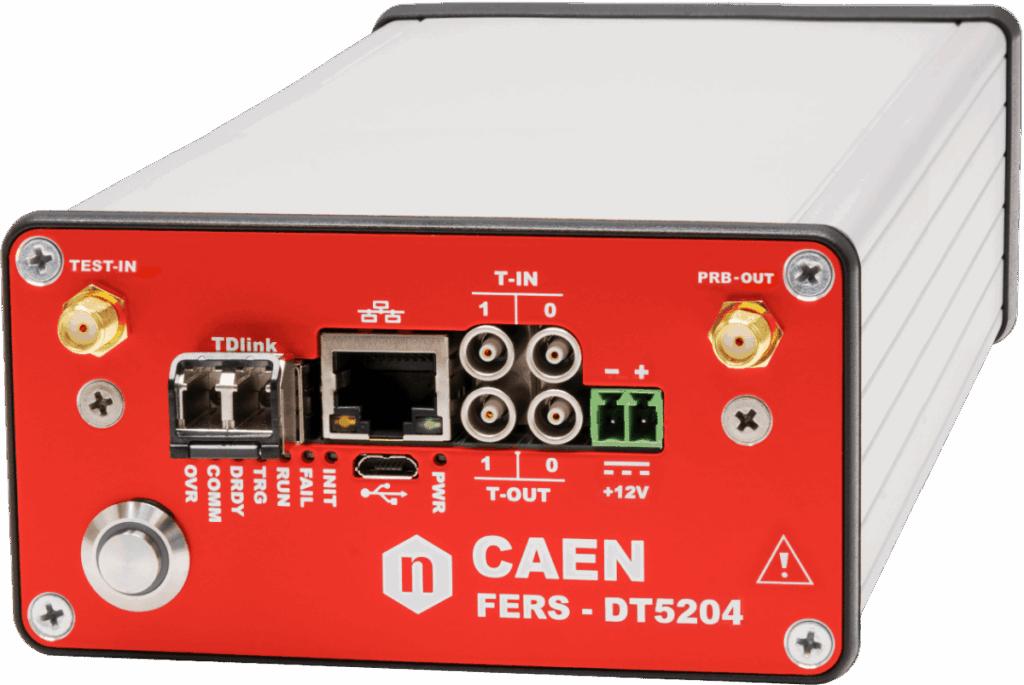
64-ch frontend unit for SiPM readout and high resolution timing applications housing a Weeroc Radioroc ASIC and a CERN picoTDC chip
-
Part of FERS-5200, the CAEN platform for the readout of large arrays of detectors (SiPM, MA-PMTs, Gas Tubes, Si detectors, …)
-
Onboard A7585D SiPM power supply for sensors biasing
-
Acquisition modes: Spectroscopy (PHA), Counting, Timing with ToT
-
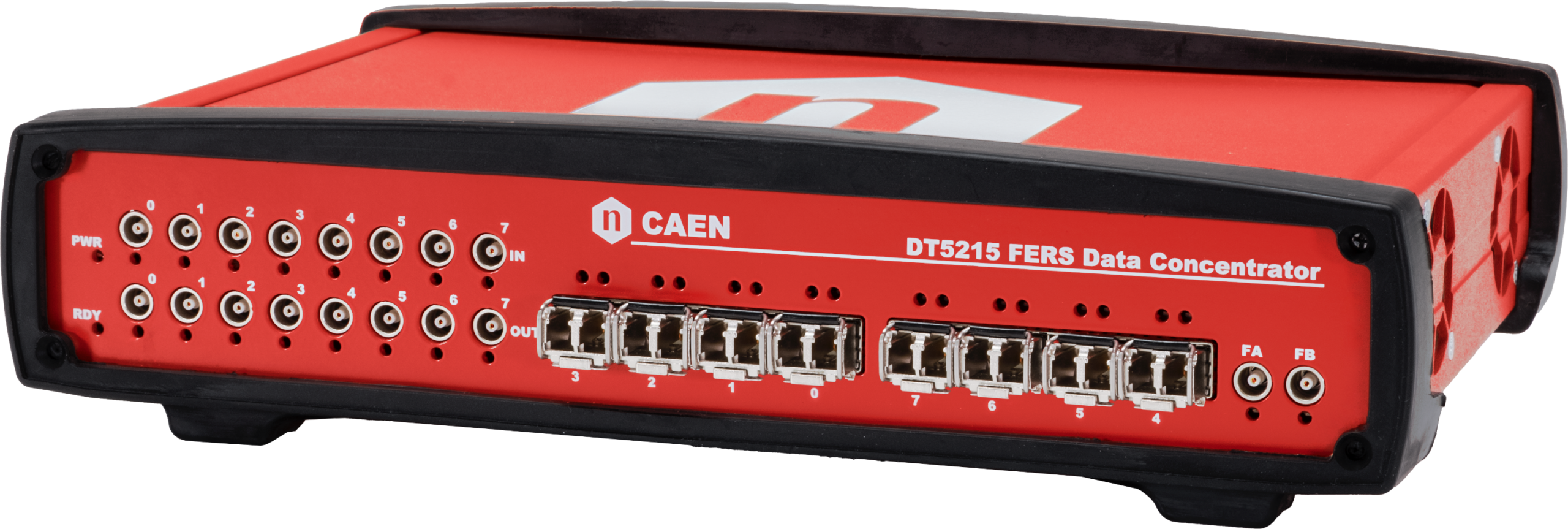
Scalability and easy-synch: up to 128 cards (8192 channels) can be managed and synchronized by a single DT5215 Concentrator Board, thanks to the optical TDlink
-
Janus A5204 open source software available for board configuration and DAQ control
-
Flexibility: a full range of adapters and cables for different kind of SiPMs and sensors remotization
-
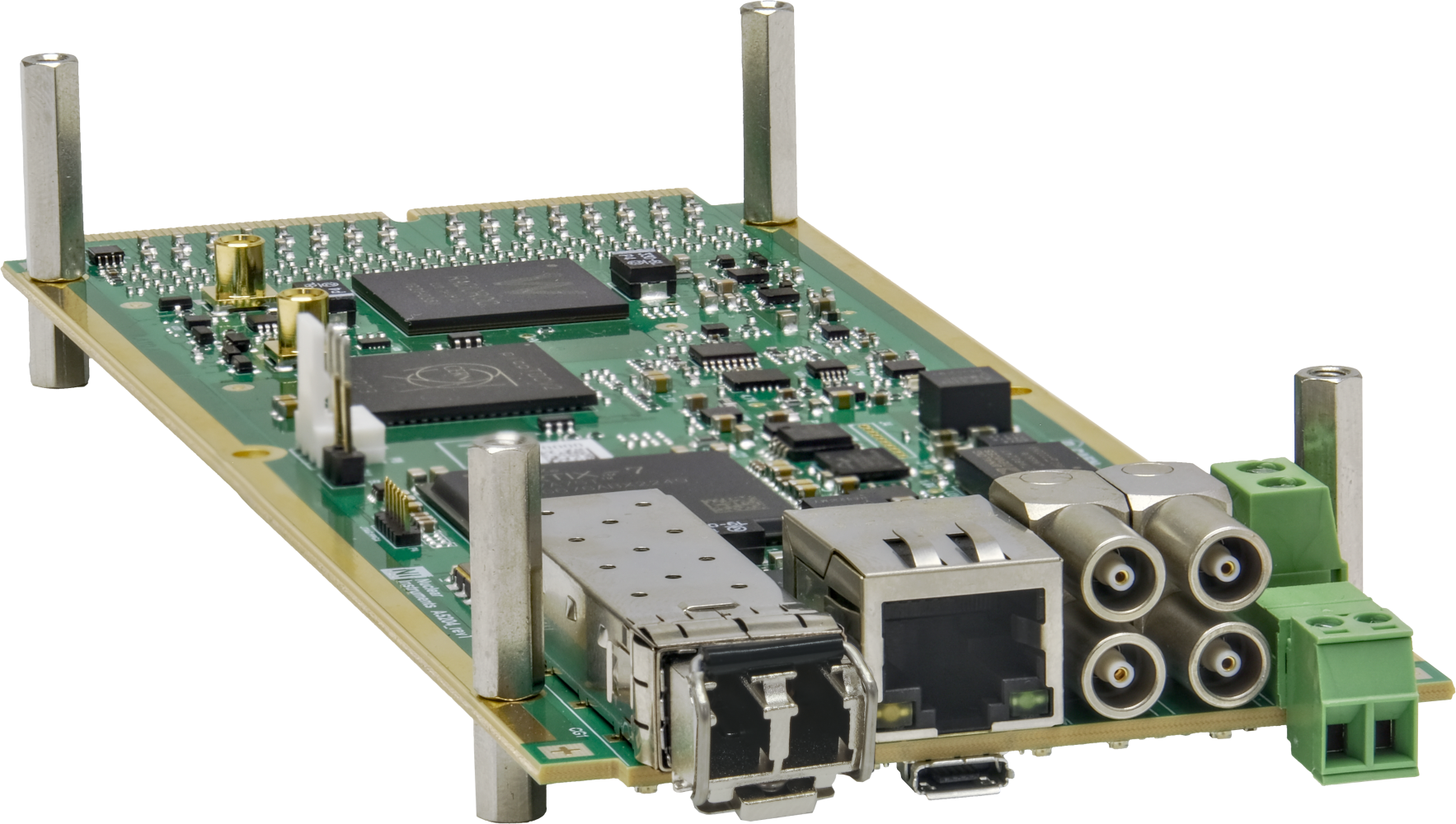
Boxed FERS unit (DT5204) for desktop use or unenclosed FERS unit (A5204) for integration into a custom mechanical frame
Overview
FERS-5200 is a front‐end readout system designed for the readout of large detector arrays, such as SiPMs, multi‐anode PMTs, Silicon Strip detectors, Wire Chambers, GEMs, Gas Tubes and others. FERS‐5200 is a distributed and scalable system, where each unit is a small card that houses 64 or 128 channels. It features a detector specific Front-End interfaced to a common infrastructure that guarantees readout interfaces, slow control and synchronization. Typically, the front-end is based on ASIC chips that allow for high density, cost effective integration of multi-channel readout electronics into small size and low power modules. FERS is a flexible platform: combining the same back-end (i.e. readout architecture and interface) with different types of front-end to fit a wide range of detectors.
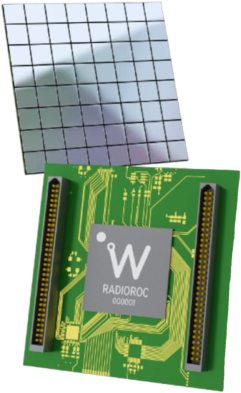
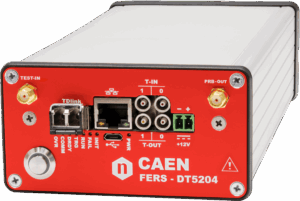
The DT5204 (and A5204, which is the unenclosed version) is a member of the FERS-5200 family. It uses the Radioroc chip (produced by Weeroc) for the readout of SiPM detectors. Radioroc allows triggering down to 1/3 p.e. and provides dual-gain energy measurement with excellent Signal-to-Noise Ratio on the high gain (SNR over 10 for single p.e.) and large dynamic range on the low gain. Thanks to the programmable shaping time, that can be different for low and high gain, the Radioroc can perform Pulse Shape Discrimination with organic and inorganic scintillators coupled to SiPMs.
The DT5204 includes a High Voltage generator (up to +80 V, 10 mA) for the SiPM biasing; a channel-by-channel 8-bit DAC contained in the Radioroc ASIC allows for fine adjustment of the SiPM bias voltage and SiPM gains homogenization. Besides the slow shaper + peak sensing chain for the acquisition in spectroscopy mode, Radioroc includes configurable fast pre-amplifiers followed by discriminators that can output 64 individual channel triggers with jitter as low as 55 ps FWHM on a single p.e. The individual channel triggers are connected to the FPGA, for photo-counting up to 200 MHz as well as for the implementation of coincidences, majority and topological acquisition triggers. The individual triggers are also connected to a picoTDC, an ASIC chip produced by CERN, implementing a 64 channel TDC with LSB = 3.125 ps, for very precise timing measurements. Time Over Threshold (ToT) can also be used to estimate the pulse height, making it possible to acquire time stamp and PHA with very low dead time and extremely high rate, without the need of the multiplexed A/D conversion.
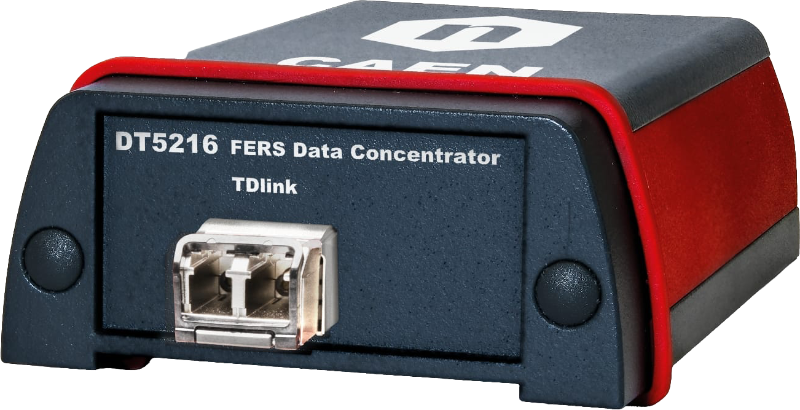
For small setups a single DT5204 unit can be used stand-alone, without any additional hardware, just connected to the PC via USB 2.0 or Ethernet 10/100T. Larger systems can be built by connecting multiple units in daisy chain (ring) via TDlink, the CAEN proprietary high-speed optical link providing data readout, synchronization between the units and command broadcasting (e.g. triggers, time resets, etc.). TDlink operation always requires a FERS Concentrator Board acting as link master: the DT5216 (single TDlink – COMING SOON) manages up to 8 units, while the DT5215 (8 TDlinks, up to 16 units each) scales up to 128 units.
The DT5204 is fully supported by the CAEN Janus 5204 Open Source software on Windows® and Linux®. Janus can run in console mode (C program, without graphics) or connected to a GUI written in Python. The GUI has configuration and run control panels that simplify the data acquisition management. Both console and GUI modes acquire data from multiple boards, manage configuration, event building, PHA and timing histograms (ΔT and/or ToT), display data statistics (hit rate, throughput, etc…), plot histograms, and save output, including spectra and list files with the acquired timing data.
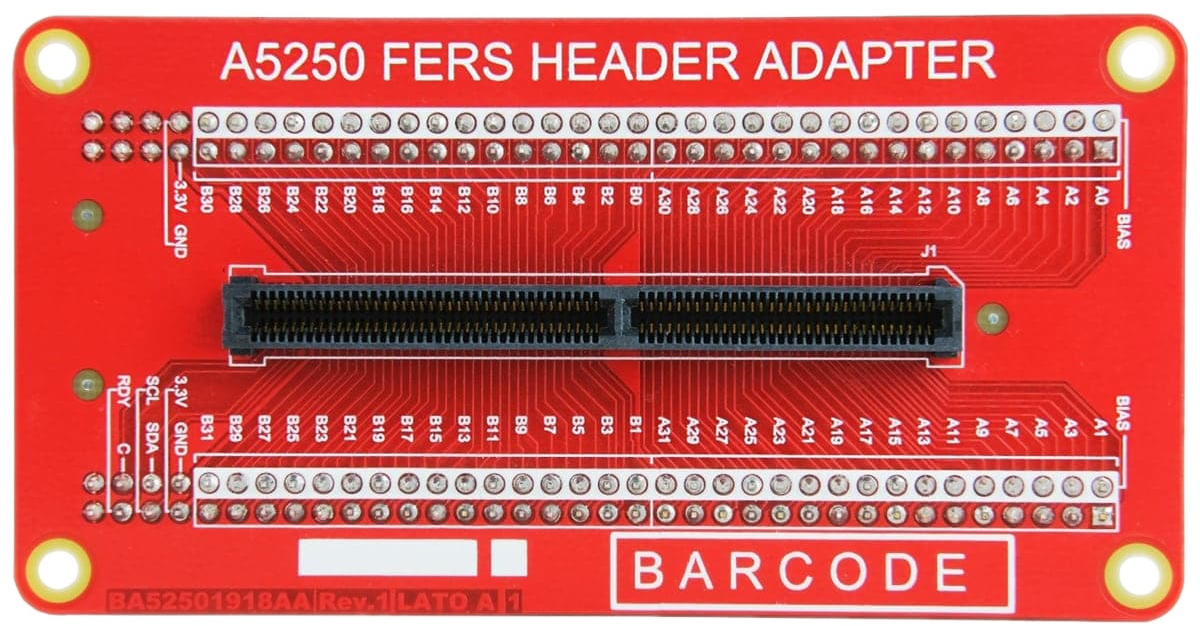
The DT5204 is supplied as standard with the A5250 adapter pre-installed on the rear panel, ensuring a ready-to-use default configuration. If a different compatible adapter is required, it must be ordered separately as an additional item.
A wide range of alternative compatible adapters is available to meet different application needs. View the full list here.
Accessories
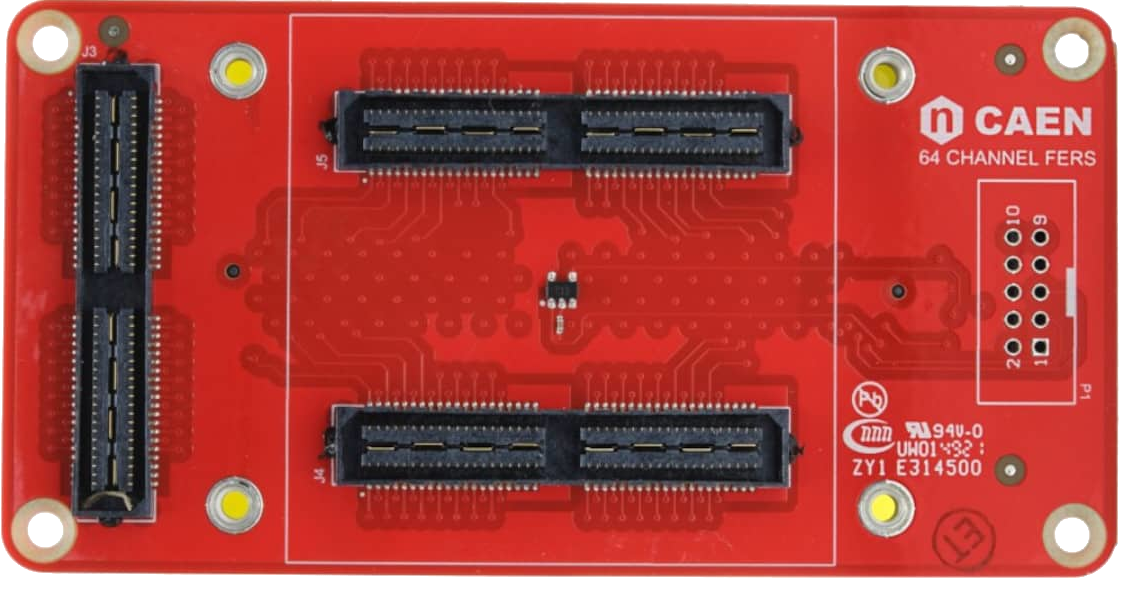
A5250
A5251
A5253
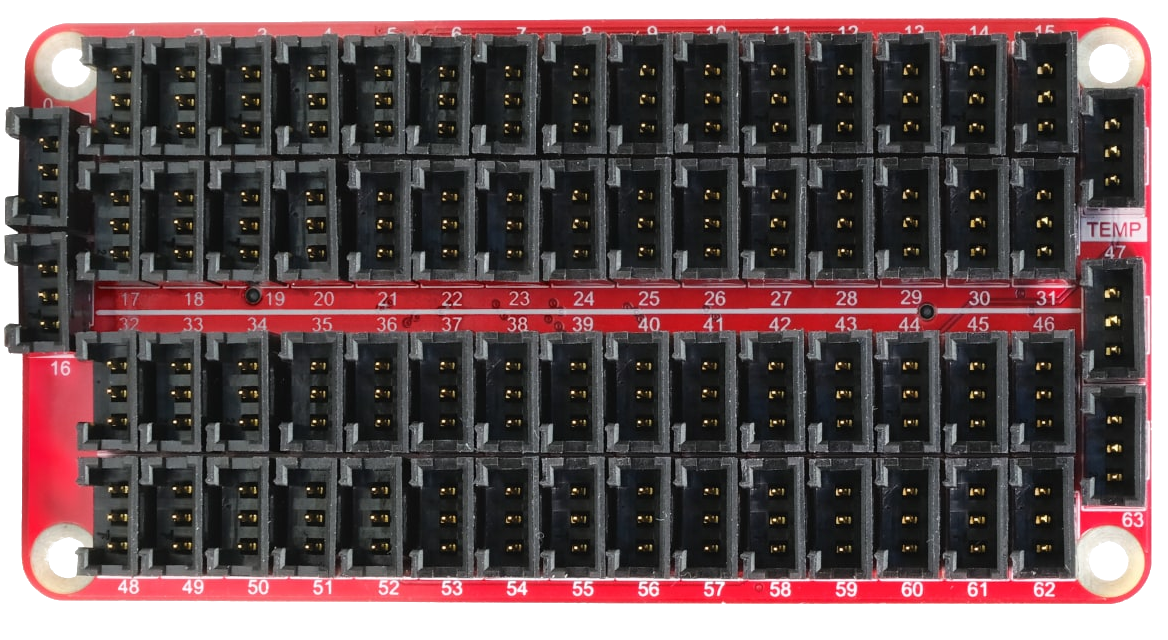
3-pin header adapter for x5202 & x5204
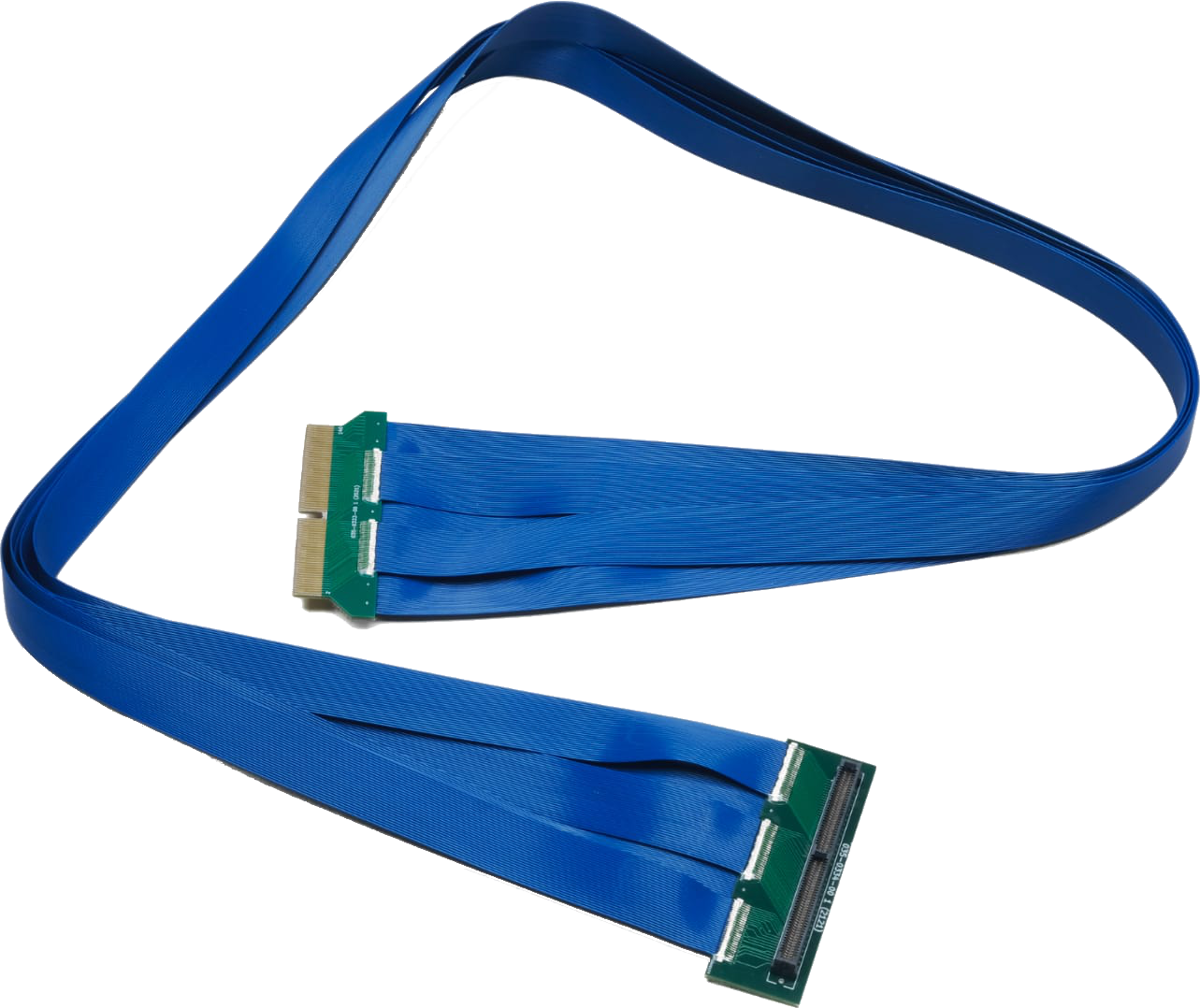
A5254
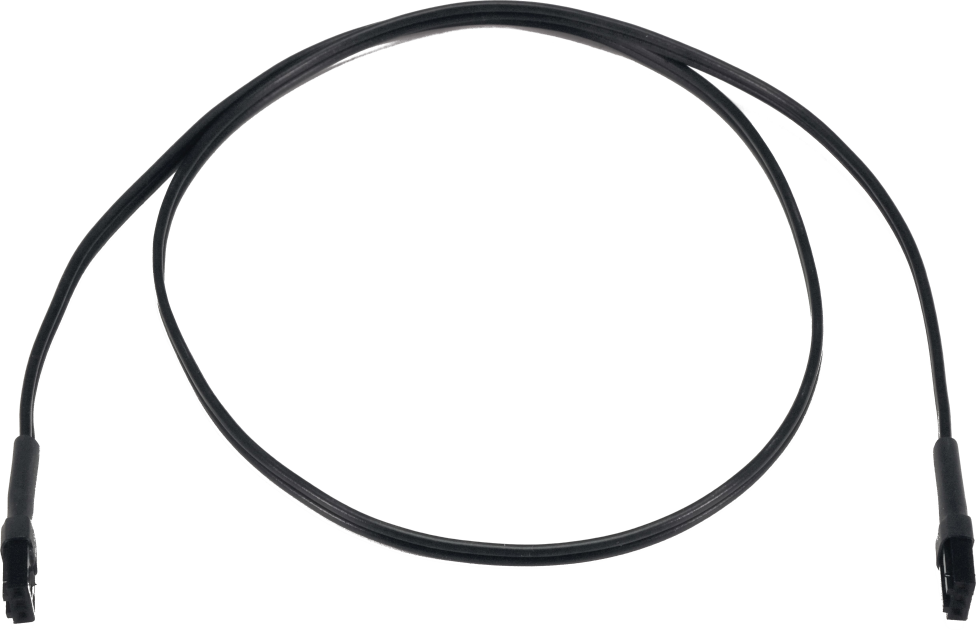
A5260
A5261
Request Information

Compare

|
Image
|
Name
|
Main Application
|
ASIC
|
No. of Channels
|
Communication Interface
|
Daisy chain full capability
|
|
|
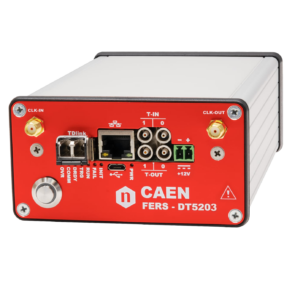
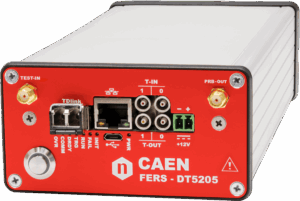
DT5203 |
High resolution timing: ToA and ToT based analyses |
n. 1 CERN picoTDC |
64 |
MicroUSB, 10/100T Eth., TDlink |
1024 ch |
|
|
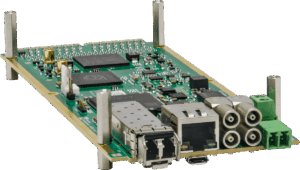
Coming Soon DT5205 |
PIN diodes, Silicon strips and GEMs readout: readout: PHA, Counting (MCS), high-resolution ToA and ToT based analyses |
n. 1 Weeroc Psiroc and CERN picoTDC |
64 |
MicroUSB, 10/100T Eth., TDLink |
1024 ch |
|
|
Coming Soon A5205 |
PIN diodes, Silicon strips and GEMs readout: readout: PHA, Counting (MCS), high-resolution ToA and ToT based analyses |
n. 1 Weeroc Psiroc and CERN picoTDC |
64 |
MicroUSB, 10/100T Eth., TDLink |
1024 ch |
|
|
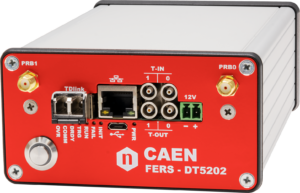
DT5202 |
SiPM readout: PHA, Photon Counting |
n. 2 Weeroc Citiroc 1A |
64 |
MicroUSB, 10/100T Eth., TDLink |
1024 ch |
|
|
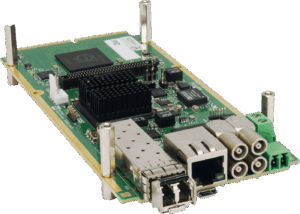
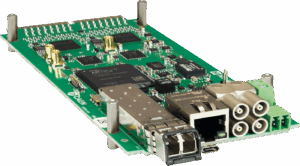
A5203 |
High resolution timing: ToA and ToT based analyses |
n. 1-2 CERN picoTDC |
64/128 |
MicroUSB, 10/100T Eth., TDlink |
1024/2048 ch |
|
|
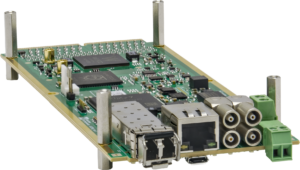
A5202 |
SiPM readout: PHA, Photon Counting |
n. 2 Weeroc Citiroc 1A |
64 |
MicroUSB, 10/100T Eth., TDlink |
1024 ch |
|
|
Coming Soon A5204 |
SiPM readout: PHA, PSD, Photon Counting, high resolution ToA and ToT based analyses |
n. 1 Weeroc Radioroc and CERN picoTDC |
64 |
MicroUSB, 10/100T Eth., TDLink |
1024 ch |
|
|
Coming Soon DT5204 |
SiPM readout: PHA, PSD, Photon Counting, high resolution ToA and ToT based analyses |
n. 1 Weeroc Radioroc and CERN picoTDC |
64 |
MicroUSB, 10/100T Eth., TDLink |
1024 ch |
Technical Specifications
|
GENERAL |
Dimensions: 106.1 W x 56.1 H x 220.8 L mm3 (including A5250 pins) Weight: 535 g |
||||||
|
INPUTS |
64 channels Input edge connector type Samtec HSEC8-170 Mating connector: Samtec HSEC8-170-01-S-DV Signal polarity: Positive Each SiPM input has two pins:
|
||||||
|
HIGH VOLTAGE (SiPM Bias) |
HV module for SiPM biasing (A7585D) HV Range: +20 V/+80 V, Max 10 mA Individual bias adjustment on channel basis (8 bit DACs, LSB = ~2 mV, adjust range = 550 mV) Automatic temperature feedback for SiPM gain stabilization |
||||||
|
ACQUISITION MODES |
Spectroscopy: The common trigger initiates the peak sensing detection and A/D conversion (12 bit) on all channels simultaneously. Conversion time = ~10 μs. Output Data: Trigger time stamp, Trigger ID, PHA (Low and/or High Gain). Zero suppression with programmable threshold. Counting: 32 bit counters, up to 200 MHz. Common trigger defines dwell time (i.e. counting window). No dead-time between subsequent windows. Internal period trigger from 16 ns to ~34 s. Output Data: Trigger time stamp, Trigger ID, channel counts. Zero suppression available. Counters are automatically reset after each trigger. Timing (Common Start): The Tref signal (T0, T1 inputs) is a common start that opens the acquisition gate with programmable width. Channel self-triggers are acquired as ΔT from Tref and, optionally, as ToT for PHA estimation. Output Data: Trigger (=Tref) time stamp, Trigger ID, ΔT or ΔT+ToT Timing (Common Stop): Same as common start, with Tref used as a common stop that closes the acquisition gate. Acquired events are those ones arrived before the trigger (look back acquisition). Timing (Trigger Matching): The common trigger signal defines an acquisition window with programmable width and offset. All hits falling into the window will be recorded. Multi-hit acquisition is supported. Output Data: Trigger time stamp, Trigger ID, ToA or ToA+ToT Timing (Streaming): Continuous hit recording, without any gate or trigger windowing. All hit time measurements are expressed as 64 bit time stamps and saved in the form of a sorted list. Output Data: ToA or ToA+ToT |
||||||
|
SENSITIVITY (GAIN) - SPECTROSCOPY |
|
||||||
|
SHAPING TIME - SPECTROSCOPY |
|
||||||
|
DYNAMIC RANGE - SPECTROSCOPY |
Up to 2000 photo-electrons @ 106 SiPM gain |
||||||
|
SELF TRIGGERS - TIMING & COUNTING |
Dedicated fast preamps + discriminator for SiPM pulse detection. Trigger down to 1/3 p.e. Fast Preamp Gain: Min = 15 (BW = 480 MHz), Max = 100 (BW = 55 MHz), 32 steps Discriminator Dual Threshold: Range = 278 mV; 1024 steps, 1 step = 0.27 mV |
||||||
|
TIMING RESOLUTION - TIMING & COUNTING |
55 ps FWHM on a single p.e. Time Stamp Range: 64 bit Intrinsic timing resolution of picoTDC = 3.125 ps LSB |
||||||
|
ToT - TIMING & COUNTING |
Time over Threshold (ToT): 1% linearity energy measurement up to 2000 p.e. |
||||||
|
COUNTING - TIMING & COUNTING |
Photon counting up to 200 Mcps per channel MCS mode with programmable dwell time: from 16 ns to ~34 s |
||||||
|
TRIGGER LOGIC |
Global trigger common to 64 channels: used in Spectroscopy mode to start Peak acquisition, in Timing mode to generate the acquisition windows (Gate). Trigger-less acquisition only in Streaming mode. Global Trigger Sources:
|
||||||
|
TIME STAMP & SYNCHRONIZATION |
Acquisition Trigger Time Stamp: 56 bit, step = 8 ns Two synchronization modes:
|
||||||
|
FRONT PANEL I/Os |
T0-IN, T1-IN: LEMO-00 connector, NIM or TTL (terminated to 50 Ω) T0-OUT, T1-OUT: LEMO-00 connector, TTL (50 Ω termination required) SW selectable IN-OUT bypass and termination removal for daisy chaining Functions (SW programmable): Trigger, Acquisition Start/Stop, Sync, Busy, Veto, Signal inspection, etc… |
||||||
|
ANALOG PROBE |
SMA connectors allowing the user to acquire analog signals from a specific, software selectable stage of each Radioroc signal shaping chain:
|
||||||
|
FRONT PANEL LEDs |
|
||||||
|
INTERNAL PULSER |
Radioroc provides a test input pin that can be internally connected to the pre-amplifier inputs, channel by channel. The test signal can come from an external signal (MCX connector on the PCB) or generated by an internal pulser with programmable amplitude. The internal pulser can be trigger by T0/T1 IN or by the internal periodic trigger. |
||||||
|
COMMUNICATION INTERFACES |
|
||||||
|
FIRMWARE |
|
||||||
|
SOFTWARE |
Readout SW Janus 5204 can perform multiple board acquisition of PHA energy spectrum (Low and High Gain). ToT spectrum (represents PHA in timing mode) DT spectrum, with event building based on trigger ID or time stamp. Live Display: channel hit count and rate, trigger rate, lost triggers, data throughput, acq. time, etc… Plots: PHA, DT, ToT, hit rate, 2-D heat map with channel hit rates or PHA. Output Files: histograms (spectra), list files (PHA, ToA, ToT, ΔT), Run Info, Sync file. Web Interface |
||||||
|
POWER REQUIREMENTS |
Single power supply (+12 V). Regularly working in a range between +7 V and +15 V. 110/220V AC/DC converter provided with Desktop version only. |
Footer